Colors Teaching Theme: Orange Literature Activities and Songs
Books About the Color Orange
- The Big Orange Splot by Daniel Pinkwater
- The Carrot Seed by Ruth Krauss
- Each Orange Had 8 Slices: A Counting Book by Paul Giganti
- Orange in My World by Janne Winne
- Orange Juice (Science Emergent Readers) by Betsey Chessen and Pamela Chanko
- Runaway Orange by Felicity Brooke and Jo Litchfield
- The Mystery of the Flying Orange Pumpkin by Steven Kellogg
- I Feel Orange Today by Patricia Goodwin
Orange Song
Tune: “Jingle Bells”
O-R-A-N-G-E,
Orange is just right.
Carrots growing,
Pumpkins glowing,
Shades of orange so bright.
Color Mixing: Red + Yellow = Orange
Explore how mixing red and yellow creates orange with this hands-on color mixing activity.
Materials:
- Red and yellow BioColor paint or food coloring
- Eyedroppers
- Small containers
- Craft sticks
- Three small pieces of paper towel per student
- Construction paper
- Glue
Instructions:
- Give each student three small pieces of paper towel and a small container.
- Provide red and yellow paint in separate containers with eyedroppers.
- Have students use the eyedroppers to add some red and yellow paint to their containers.
- Students mix the colors with a craft stick to create their own shade of orange.
- Have students dip one piece of paper towel into red paint, another into yellow paint, and the third into their newly mixed orange paint.
- Glue the red and yellow paper towels onto a sheet of paper, overlapping them to demonstrate how the colors combine.
- Glue the orange paper towel beside them to show the resulting color.
Color Mixing Equation:
Red + Yellow = Orange
Students will discover that different amounts of red and yellow produce different shades of orange.
The Big Orange Splot: Celebrating Individuality
Book: The Big Orange Splot by Daniel Pinkwater
In The Big Orange Splot, everyone in the neighborhood has similar-looking houses until a bird drops a bucket of orange paint onto one roof.
The homeowner decides to paint his house to reflect his own personality. Soon, the neighbors begin decorating their homes to express their individuality, too.
Materials:
- House-shaped paper patterns
- Orange paper circles or splotches
- Crayons or markers
- Glue
- Decorating materials
Instructions:
- Read The Big Orange Splot aloud to the class.
- Discuss how the houses in the story change to reflect each owner’s personality.
- Give each student a house-shaped paper pattern and an orange paper splotch.
- Have students glue the orange splotch onto their houses.
- Encourage students to decorate their houses to reflect their own personalities and interests.
- Display the completed houses together to create a colorful classroom neighborhood.
This activity works especially well at the beginning of the school year when introducing colors, self-awareness, individuality, and acceptance of others.
The Carrot Seed: Planting and Measuring Carrots
Book: The Carrot Seed by Ruth Krauss
Materials:
- Carrot seeds
- Empty milk cartons
- Potting soil
- Water
- Carrots of various sizes
- Measuring tools
Instructions:
- Read The Carrot Seed aloud to the class.
- Discuss how plants grow and what they need to survive.
- Have students plant carrot seeds in milk cartons filled with soil.
- Place the containers in an appropriate growing location and care for the seeds as they sprout.
- Provide carrots of different sizes for students to compare.
- Have students measure the lengths of the carrots and arrange them from shortest to longest.
- Finish with a carrot tasting activity.
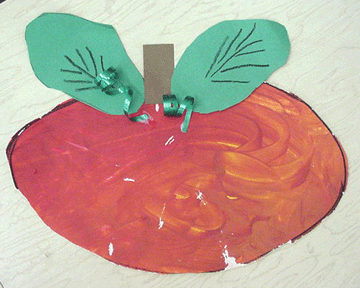
Orange Fingerpainting and Pumpkin Art
Materials:
- Red fingerpaint
- Yellow fingerpaint
- White painting paper
- Scissors
Instructions:
- Give students red and yellow fingerpaint.
- Have them mix the colors directly on their paper using their fingers.
- Encourage students to explore the shades of orange they can create.
- Allow the paintings to dry completely.
- Cut the dried paintings into large oval shapes to resemble pumpkins.
Display the finished pumpkins as part of a fall or Halloween classroom display.